

 Basket

 Made to Measure Campervan
Mattresses


How to sleep in hot weather

| Key Takeaways | |
|---|---|
| Why Do You Get Hot at Night? |
|
| How to Keep Your Bedroom Cool |
|
| What Bedding Materials are Best for Staying Cool? |
|
| Which Mattress is Best for Hot Sleepers? |
|
| How to Cool Your Body Before Bed |
|
| Heatwave Sleep Tips |
|
Nothing disrupts a good night's sleep quite like heat. Whether it's a summer heatwave, a warm bedroom or a mattress that seems to trap heat, waking up feeling hot and uncomfortable can leave you tired and irritable the next day.
Fortunately, there are plenty of simple ways to keep cool at night. From improving your bedroom environment to choosing breathable bedding and the right mattress, small changes can make a big difference to your sleep quality.
In this guide, we'll explain why people get hot at night and share practical tips to help you sleep more comfortably all year round.
Why Do You Get Hot at Night?
Your body naturally lowers its core temperature as part of your sleep cycle. This drop in temperature helps signal that it's time to fall asleep. If your bedroom is too warm or your bedding traps heat, your body must work harder to cool itself, making it more difficult to fall asleep and stay asleep. Several factors can contribute to overheating during the night, including:
- Warm weather and heatwaves
- Poor bedroom ventilation
- Mattresses that retain body heat, particularly memory foam
- Thick duvets or synthetic bedding
- Hormonal changes, such as menopause
- Certain medications or health conditions
- Drinking alcohol before bed
- Heavy evening meals
While you can't control the weather, you can adjust your sleeping environment to help your body regulate its temperature more effectively.
How to Keep Your Bedroom Cool
The temperature of your room plays a huge role in how comfortably you sleep. This is especially true in the UK, where air conditioning isn’t a standard in most homes. Luckily, there are other ways to help cool down a room.
Close Blinds and Curtains During the Day
Direct sunlight can quickly turn a bedroom into one of the hottest rooms in the house. Keeping curtains or blackout blinds closed during the hottest part of the day helps prevent heat from building up.
Open Windows at the Right Time
Many people leave windows open all day during summer, but this can let warm air inside to heat up a room rather than cooling things down.
Instead, keep windows closed while it's hotter outside than inside to keep the cooler air trapped in your home. Then open them in the evening once temperatures begin to fall to allow fresh cool air in.
If possible, open windows on opposite sides of your home to create cross ventilation and allow air to move more easily through your home.
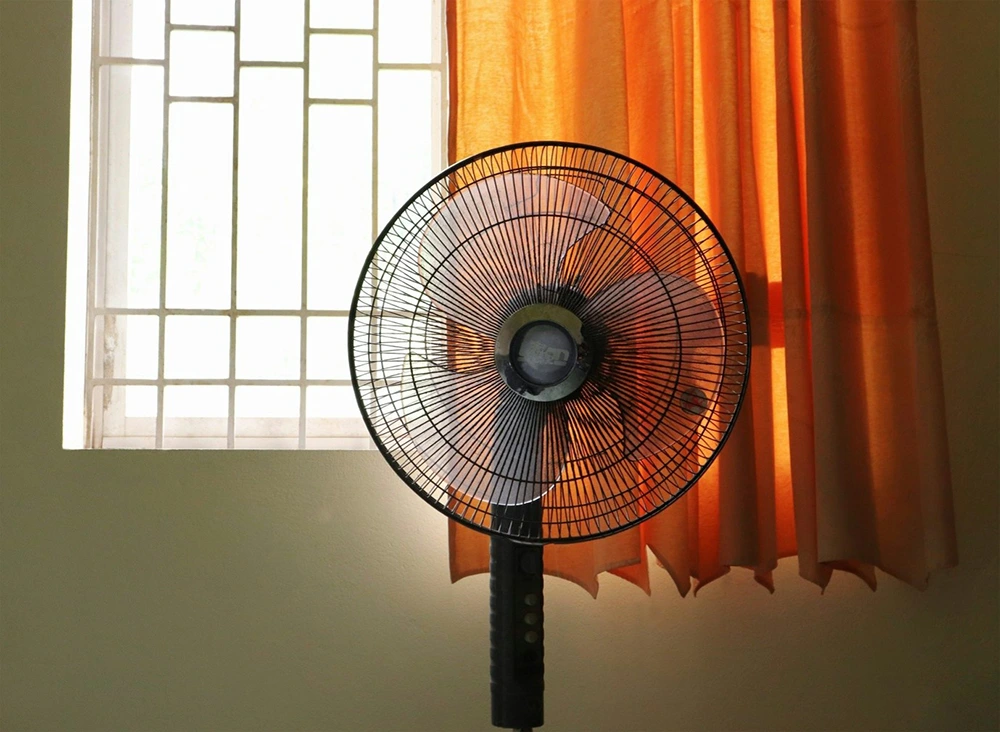
Use Fans Effectively
Contrary to popular belief, a fan doesn't actually lower the room temperature. Instead, it moves air across your skin, blowing away warm air and helps sweat evaporate faster, making you feel cooler.
For even better results:
- Place a bowl of ice or frozen water bottles in front of the fan so that it will cool down the air blown towards you.
- Position the fan near an open window during the evening to help pull cooler air through the room.
- Point the fan across the bed rather than directly at your face if you find direct airflow uncomfortable.
Reduce Unnecessary Heat
Everyday appliances generate heat that can contribute to the overall temperature. Switch off any unnecessary electronics and heat-producing lamps before bed to combat this. Also try to charge phones and laptops outside the bedroom where possible.
What Bedding Materials are Best for Staying Cool?
Your bedding, including your pillows and duvet, has a significant impact on how warm you feel overnight. Even if your bedroom is cool, the wrong sheets or duvet can trap heat and moisture, leaving you feeling uncomfortable and waking throughout the night. Choosing breathable, moisture-wicking bedding helps your body regulate its temperature naturally, resulting in a cooler and more restful sleep.
Cotton Percale
Percale is a type of cotton weave known for its crisp, lightweight feel. Unlike smoother sateen weaves, percale promotes excellent airflow and doesn't cling to the skin, making it particularly comfortable during warmer months. Look for 100% cotton percale sheets if you prefer bedding that feels fresh and cool throughout the night.
Linen
Linen is one of the most breathable bedding materials available. It naturally regulates temperature by allowing heat to escape while also absorbing and releasing moisture quickly. Linen's relaxed texture also creates tiny air pockets that improve ventilation, making it an excellent choice for people who regularly overheat during summer.
Bamboo
Bamboo-derived fabrics are another good option for hot sleepers thanks to their silky-soft feel and impressive moisture management. Quality bamboo bedding is highly breathable, wicks sweat away from the body and helps maintain a comfortable sleeping temperature. It's also a good option for people with sensitive skin due to its smooth texture.
Avoid Heavy Microfibre Bedding
Although microfibre sheets are often inexpensive and easy to care for, they are usually made from tightly woven polyester fibres that don't breathe as well as natural materials. This can cause heat and humidity to build up around your body, making you feel warmer and sweat more during the night. If you tend to sleep hot, switching to natural fibre bedding can make a noticeable difference to your comfort.
Choose the Right Duvet
Using the same duvet throughout the year often leads to overheating in summer. Consider switching to a lower tog as the weather gets warmer, either 4.5 tog for typical UK summer weather or 2.5 tog for very hot nights.

Which Mattress is Best for Hot Sleepers?
Your mattress has a major influence on how warm you feel during the night. Some materials naturally allow heat to escape, while others can trap warmth around your body. If you regularly wake up feeling hot or sweaty, choosing a mattress with good airflow and breathable materials can make a significant difference to your sleep quality.
Pocket Spring Mattresses
Pocket spring mattresses are one of the best choices for hot sleepers because their construction encourages natural airflow. Each spring sits in its own fabric pocket, creating open spaces throughout the mattress that allow warm air to circulate and escape rather than becoming trapped. This improved ventilation helps maintain a more comfortable sleeping temperature throughout the night.
Gel Memory Foam
Traditional memory foam is well known for retaining heat because of its dense structure. As a result, some sleepers found themselves feeling warmer during the night. More modern gel-infused foams help to combat this by dispersing heat away from the body, allowing you to enjoy the pressure-relieving comfort that memory foam is known for without trapping as much heat as earlier generations.
Natural Fillings
Mattresses made with natural materials such as wool, cotton, silk, cashmere or latex offer excellent temperature regulation. Unlike many synthetic materials, natural fibres absorb moisture from the body and release it into the surrounding air, helping to keep you dry and comfortable throughout the night.
Hybrid Mattresses
Hybrid mattresses combine the support and airflow of pocket springs with comfort layers made from foam, latex or natural fibres. For many hot sleepers, they offer an excellent balance of pressure relief and temperature regulation.When choosing a hybrid mattress, look for models that pair pocket springs with breathable comfort layers such as gel foam, natural latex or wool instead of dense conventional memory foam.
How to Cool Your Body Before Bed
Creating a cooler bedroom is only part of the solution. Your body naturally lowers its core temperature as you prepare for sleep, and simple changes to your evening routine can support this process. By helping your body cool down before you get into bed, you're more likely to fall asleep quickly and stay comfortable throughout the night.
Take a Lukewarm Shower
A lukewarm shower or bath about 30 to 60 minutes before bedtime can help reduce your skin temperature and encourage your body's natural cooling process. As the water evaporates from your skin after you get out, it can leave you feeling pleasantly cooler.
Although an icy shower might sound tempting, very cold water can cause your blood vessels to constrict, making it harder for your body to release heat. In some cases, it may even trigger your body to generate more warmth to compensate. A comfortably lukewarm shower is usually far more effective.
Stay Hydrated
Hydration plays an important role in your body's ability to regulate temperature. When you're dehydrated, even mildly, it becomes more difficult to cool yourself through sweating, increasing the likelihood of feeling overheated at night.
Drink plenty of water throughout the day, especially during warm weather. However, try to avoid drinking large amounts immediately before bed if it regularly causes you to wake up needing the bathroom. If you've been sweating heavily, replacing lost electrolytes through food or an appropriate drink may also help.
Wear Lightweight Sleepwear
The clothes you wear to bed can make a noticeable difference to how cool you feel overnight. Loose-fitting pyjamas made from breathable natural fibres allow air to circulate around your body and help moisture evaporate more easily.
Materials such as cotton, linen and bamboo are all excellent choices because they wick moisture away from the skin and don't trap heat like many synthetic fabrics. Some people even find they sleep more comfortably with minimal clothing during particularly hot nights.
Eat Lighter Evening Meals
Your body produces heat as it digests food. Large, rich or spicy meals require more energy to digest and can temporarily raise your body temperature, making it harder to fall asleep. During hot weather, try eating your evening meal a little earlier and choose lighter options such as salads, grilled fish, chicken or vegetables.
Limit Alcohol Before Bed
Although alcohol may initially make you feel sleepy, it can disrupt your body's natural temperature regulation and negatively affect sleep quality. Alcohol also causes blood vessels near the skin to widen, making you feel flushed and warmer, particularly during the first half of the night.
Limiting alcohol in the hours before bedtime may help you stay cooler, reduce night-time awakenings and improve the overall quality of your sleep.
Heatwave Sleep Tips
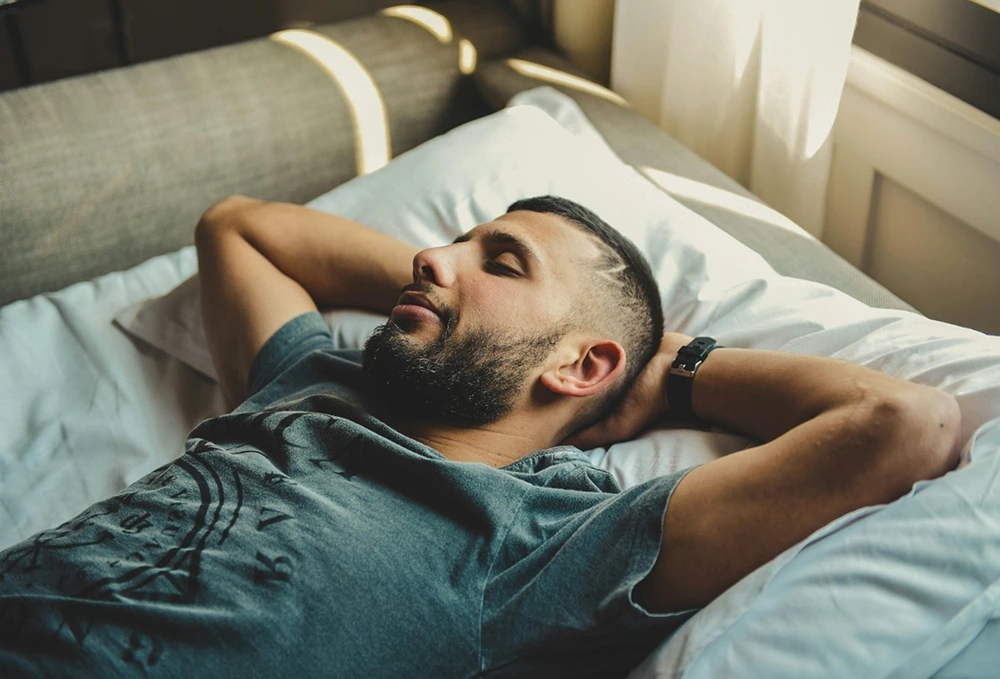
When overnight temperatures remain unusually high, even the best mattress and bedding may struggle to keep you comfortable. These simple strategies can help you stay cooler and improve your chances of getting a good night's sleep during a heatwave.
- Swap your duvet for a top sheet: If your duvet feels too warm, use a lightweight cotton sheet or blanket instead. Even a low-tog duvet can retain more heat than you need on very hot nights.
- Keep a cool, damp flannel by the bed: Placing a cool flannel on your forehead, neck or wrists can provide quick relief if you wake feeling overheated.
- Cool your wrists and feet before bed: Running cool (not icy) water over your wrists, ankles and feet helps cool blood flowing close to the skin, which can make your whole body feel more comfortable.
- Use a chilled hot water bottle: Fill a hot water bottle with water, place it in the freezer for a few hours, then wrap it in a towel before placing it near your feet or beside your legs. Never place frozen items directly against your skin, as they can cause cold burns.
- Sleep on the lowest floor of your home: Heat rises, so ground-floor bedrooms are often several degrees cooler than upstairs rooms during a heatwave.
By combining these practical tips with breathable bedding, a well-ventilated mattress and a cool sleeping environment, you'll give yourself the best chance of staying comfortable and sleeping well, even during the hottest summer nights.
More from Linthorpe Beds


What Our Customers Have To Say About Us


Our Stores


LinthorpeBeds Newsletter